TorchTPU: Move PyTorch from GPU to TPU in one word
TorchTPU lets PyTorch operate on Google TPUs after a one-word change. Fact-checked results, the SemiAnalysis cost benchmark, and the current limits.
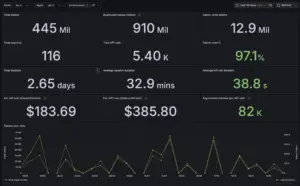
Where do my Claude Code tokens go? I built a dashboard to find out
I have been using Claude Code almost every day for the past few months. From the beginning, I had a simple question: where do my tokens actually go? Claude Code
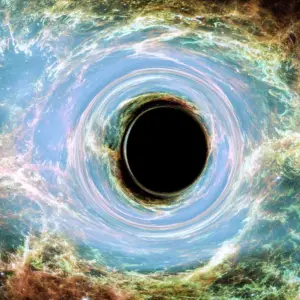
Ray-tracing Black Hole Shadows with Apple Silicon GPU: 20-60× faster
I ported a Python black hole ray tracer from numba to the Apple Silicon GPU with MLX and Metal. It runs 23 to 43 times faster. Here is how.
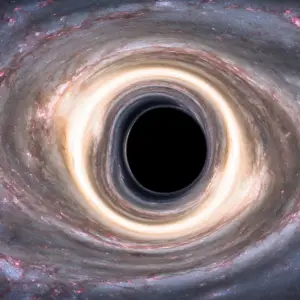
Can Claude organize old research code? A black hole test
I gave Claude Code my old, disorganized black-hole shadow code and one prompt. Could it organize the code again, without help on the physics?

How to Build an NYC Taxi Data Dashboard with Claude Dashboards, DuckDB and d3
Step-by-step guide: turn the 3.7M-row NYC TLC yellow taxi Parquet file for January 2026 into an interactive Claude dashboard using a very simple and english-like prompt
Anthropic 5.5 models – DOs and DONTs
Short answer for the Anthropic 5.5 models: let Opus 5.5 plan, let Sonnet 5.5 do the hands-on work, keep Medium as your default effort, and skip Max / xHigh unless
Opus 5 is dead, Long Live to Opus 5.5
After months and months of desperation from users – wait, no: Claude Opus 5 was launched just on July 24 – which means that not even two months (!) have
The Navier-Stokes problem – another view on scientific funding
A bit late to the Navier-Stokes “party”, but as the absolute drama was unravelling, I was thinking about it in another perspective: what does this amount of compute mean and how can
LLMs for scientific research
In one of my last posts, I tried to calculate an estimate of how many years of funding for a small research group was equivalent to what OpenAI spent to